
Sizes & Shapes
Gemstone beads come in a diverse array of dimensions and forms. Our guide helps you understand common measurements and shapes to ensure your designs have the perfect scale and character.
Design Planner
Use our precision calculator to plan your next creation. Balance symmetry, account for clasps, and determine exact bead counts in seconds.
Pattern Calculator
Calculate precise bead counts for your design.
Design Recipe
Bracelet
16.0 cm
19.0 cm
5 Units
Design Symmetry
To balance design, add 0.9 cm of spacer beads to each end.
Required Components
- 10mm Beads5 pcs
- 8mm Beads10 pcs
- 6mm Beads5 pcs
- Spacer Gap (Total)1.8 cm
Calculations account for the physical space beads occupy on a strand. Variations of +/- 0.5mm are common in natural gemstones.
Scale & Dimension
Choosing the right size is essential for the comfort, weight, and visual balance of your jewellery. We use millimetres (mm) as our standard unit of measurement. Small variations (often +/- 0.5mm) are normal in natural, hand-cut gemstone beads, adding to their unique character.
How to Choose?
Consider the wearer's wrist or neck size. Smaller beads (4-6mm) are generally more comfortable for everyday wear, while 8mm+ beads create a more dramatic, tactile experience.
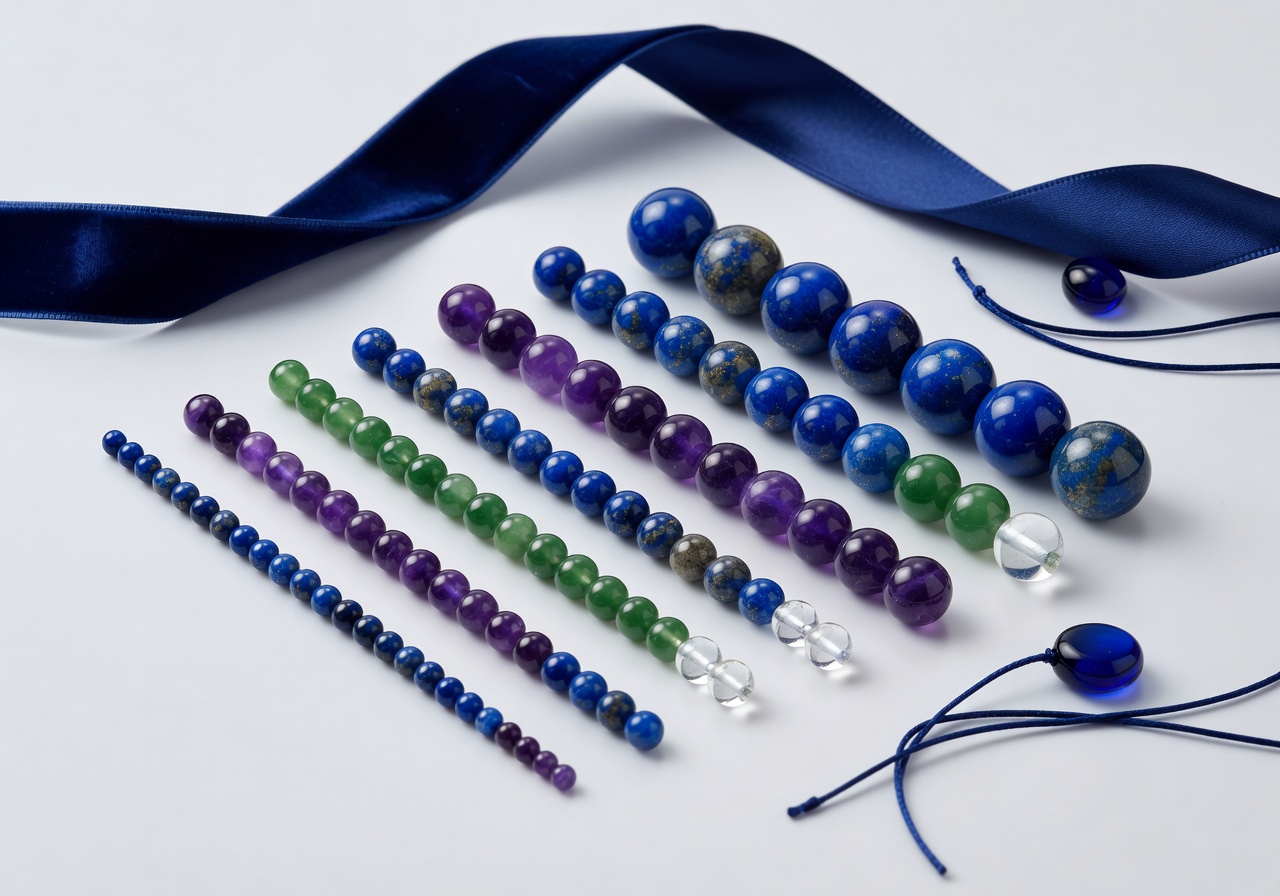
Seed & Micro Beads
Incredibly delicate and precise. Perfect for intricate weaving, fine spacers, or minimalist micro-jewellery.
Fine & Stackable
A favourite for delicate bracelets and multi-strand necklaces. Offers a refined look without being too subtle.
The Versatile Standard
Our most popular size. Ideal for almost any project, balancing visibility with comfort. Great for mala beads.
Classic Statement
Provides a substantial feel and shows off the natural patterns of the stone beautifully. Perfect for focal bracelets.
Bold & Focal
Makes a strong impression. Use these as centerpiece beads or for chunky, bold statement pieces.
Extra Large & Dramatic
Showcases the full complexity of larger gemstone specimens. Best used sparingly as focal points.
Forms & Silhouettes
The shape of a bead determines how it interacts with light and how it sits against the skin. From the perfection of a polished sphere to the rustic charm of a nugget, each shape offers a different design language.
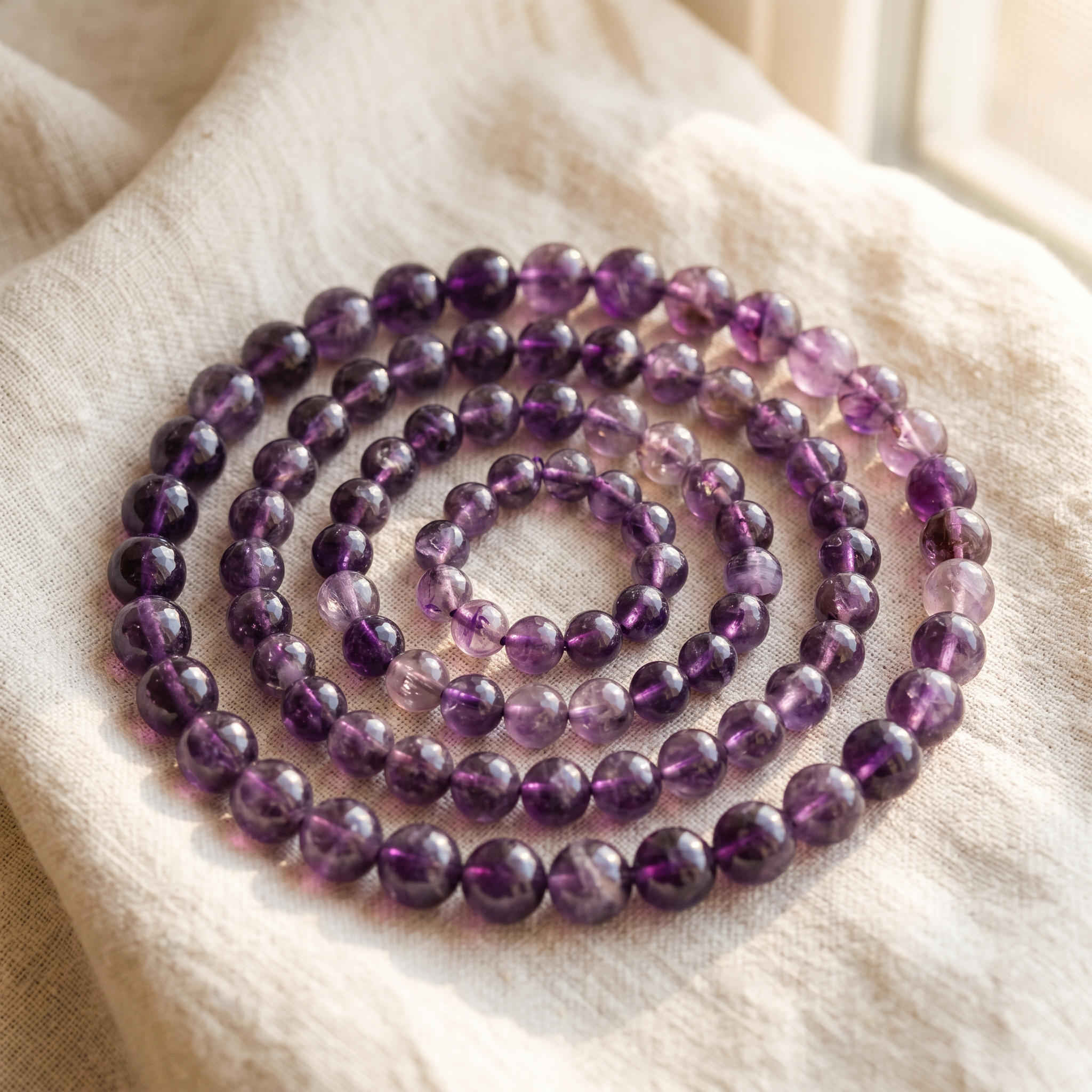
Round
The timeless classic. Perfectly spherical beads that offer a smooth, uniform aesthetic for any design.
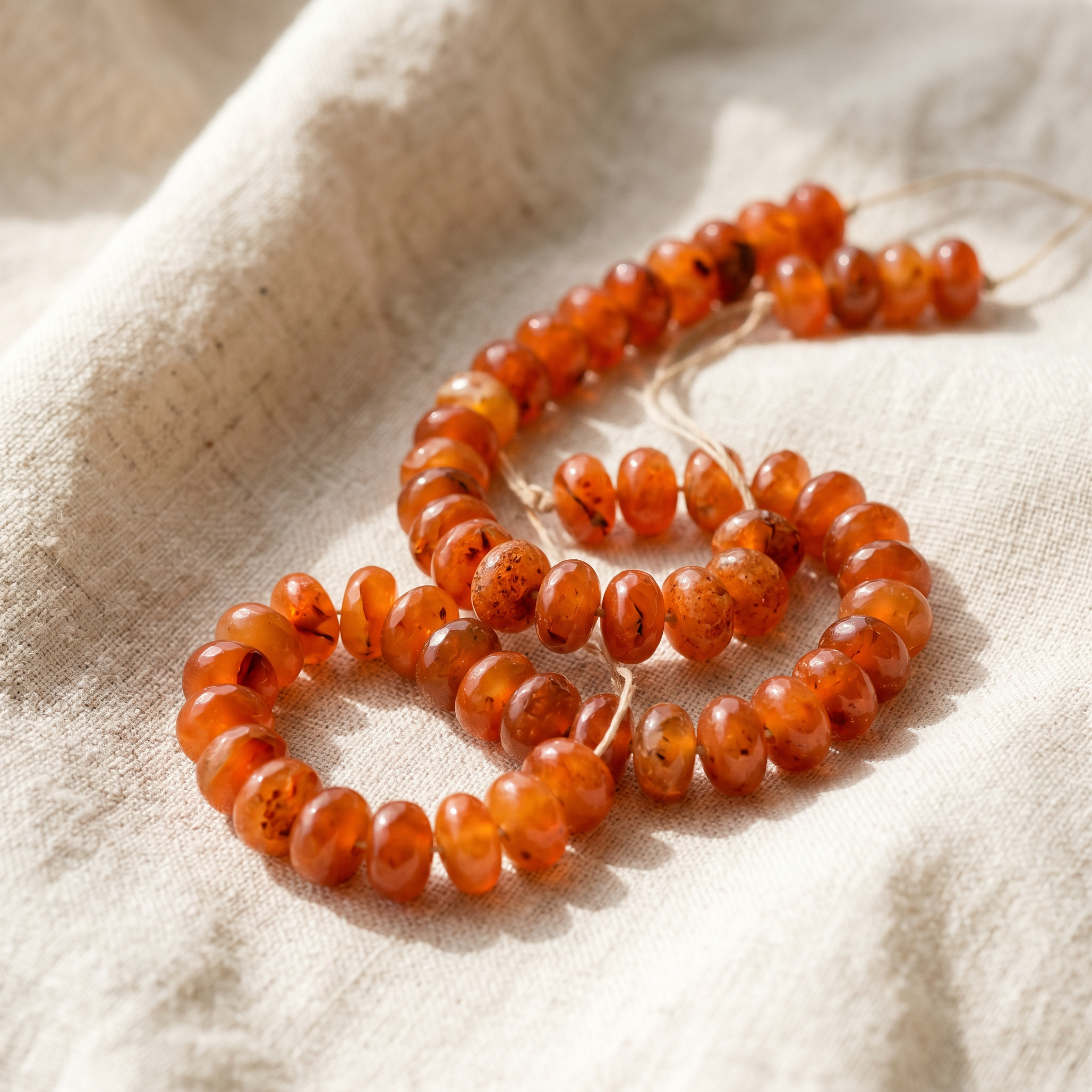
Rondelle
Compressed spheres that are wider than they are tall. Excellent as spacers or for adding texture to a strand.
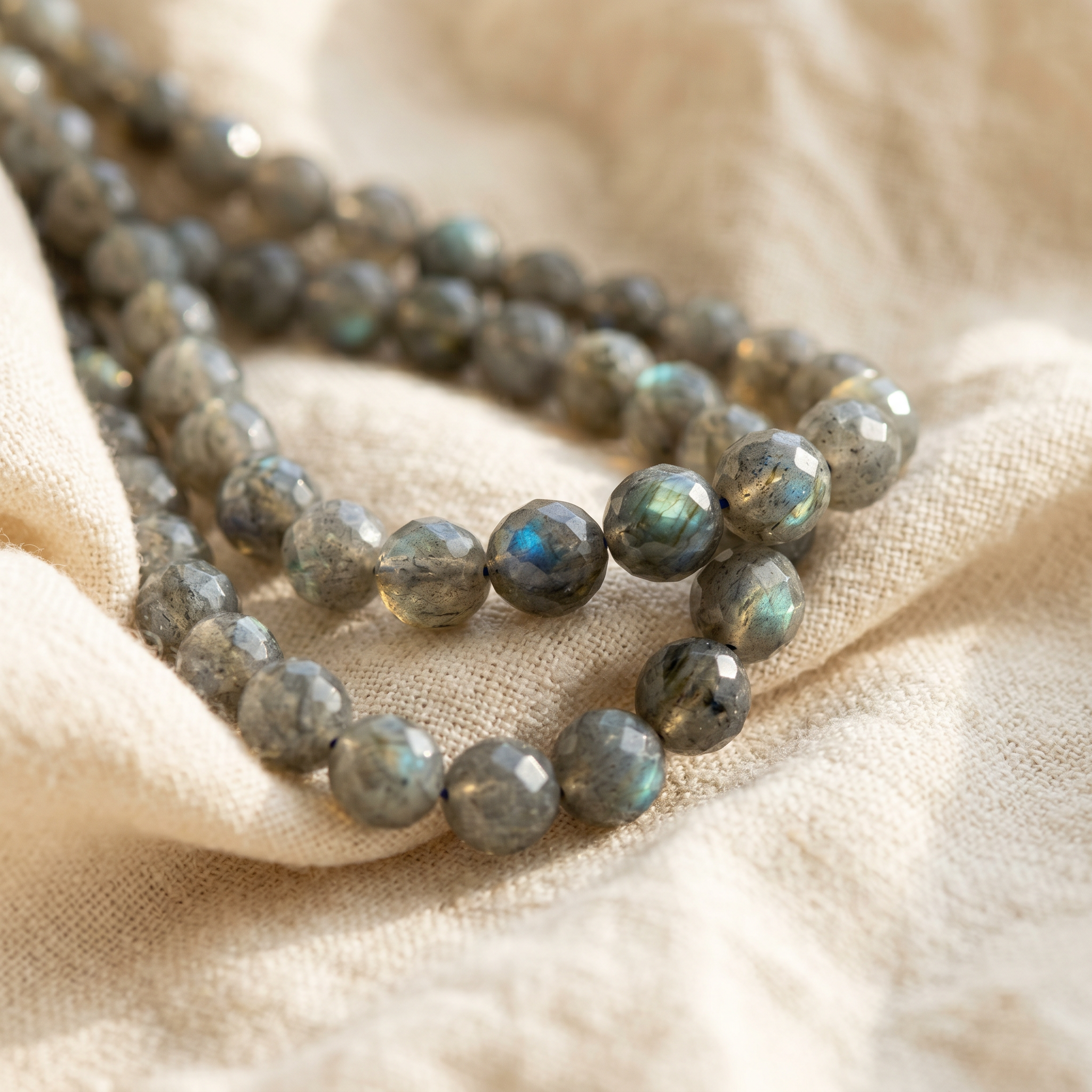
Faceted
Cut with multiple flat surfaces to catch and reflect light, giving the stone extra sparkle and brilliance.
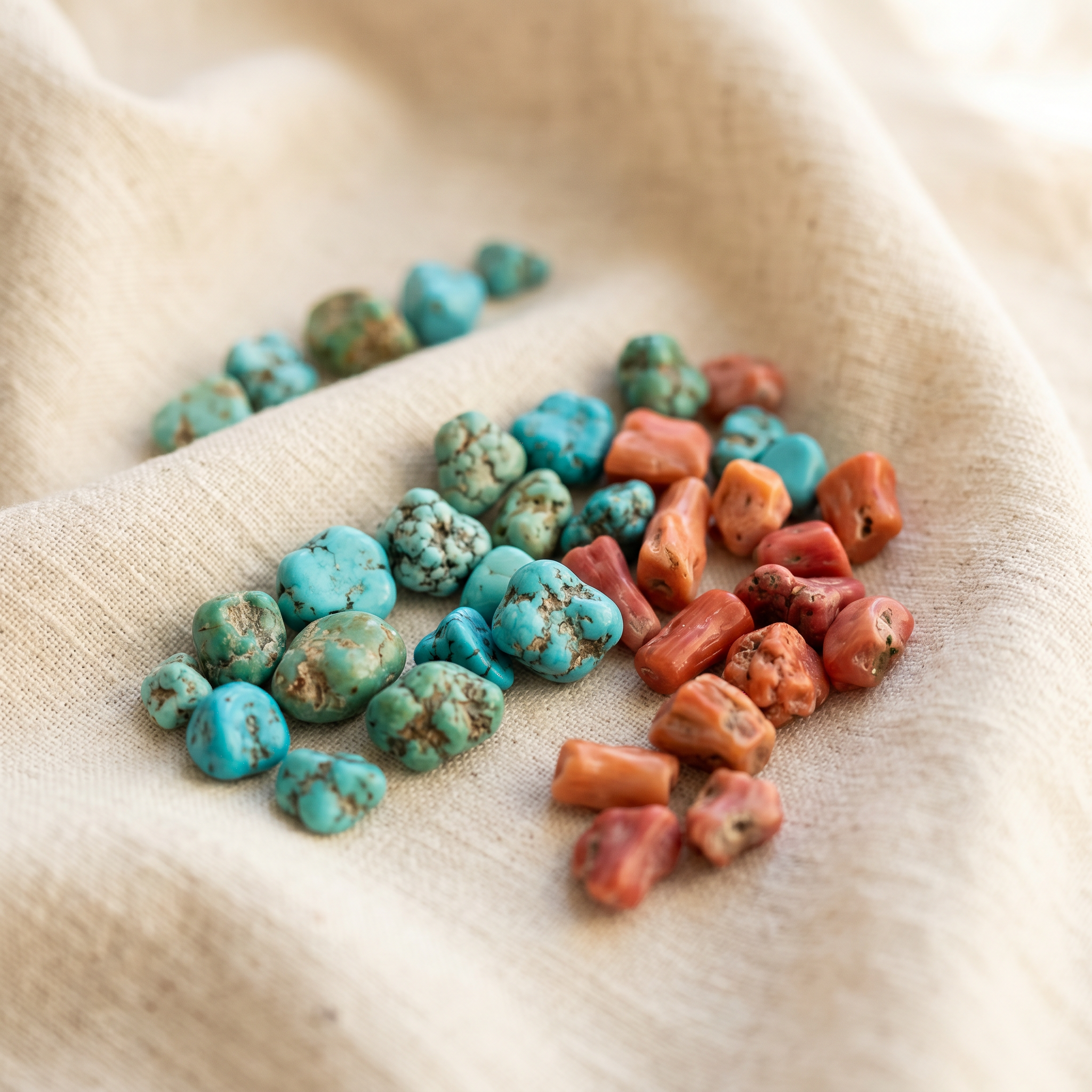
Chip / Organic
Irregularly shaped pieces that celebrate the raw, natural form of the gemstone. High in character and texture.
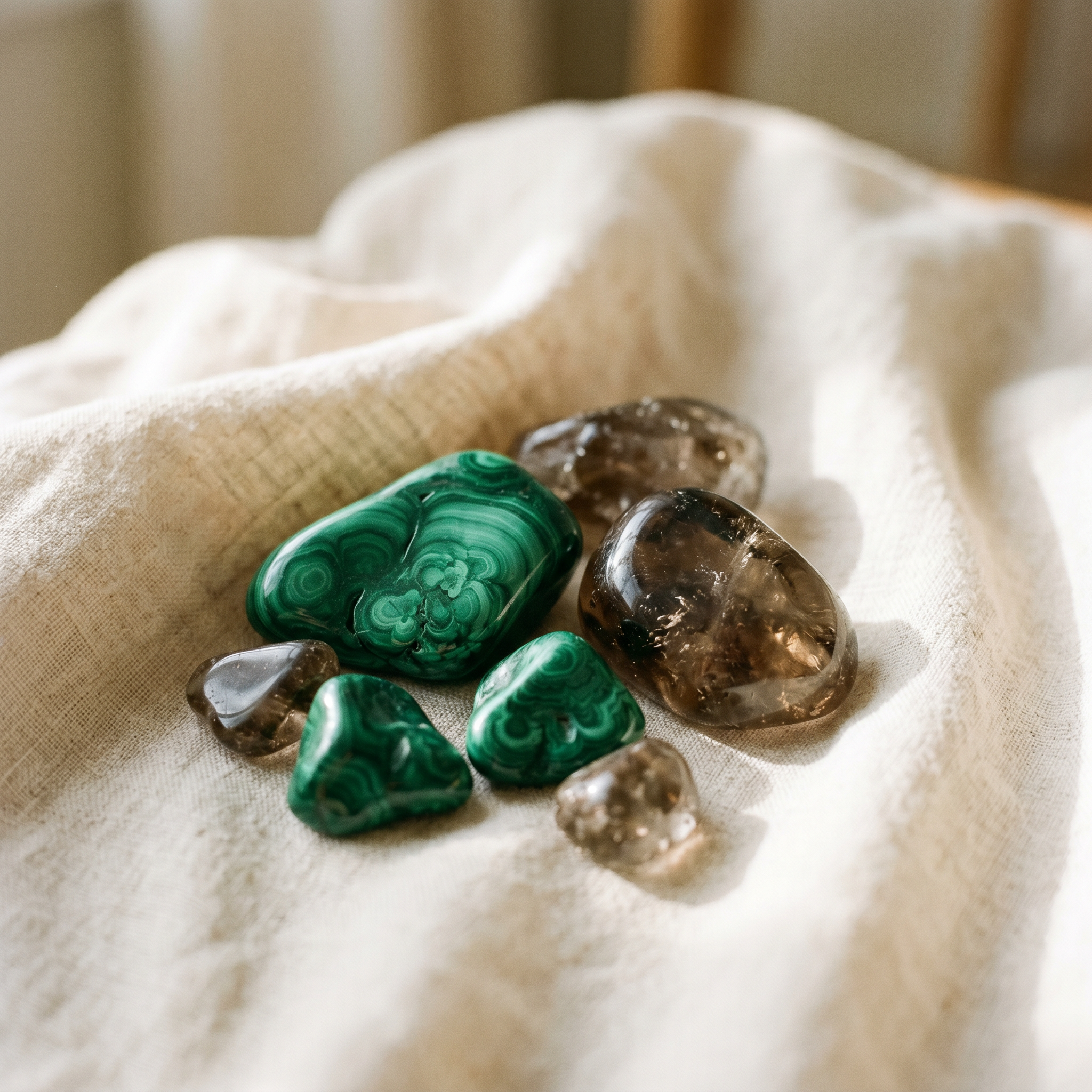
Nugget
Tumbled but maintaining a chunky, irregular shape. Offers a rustic, earthy feel to jewellery designs.
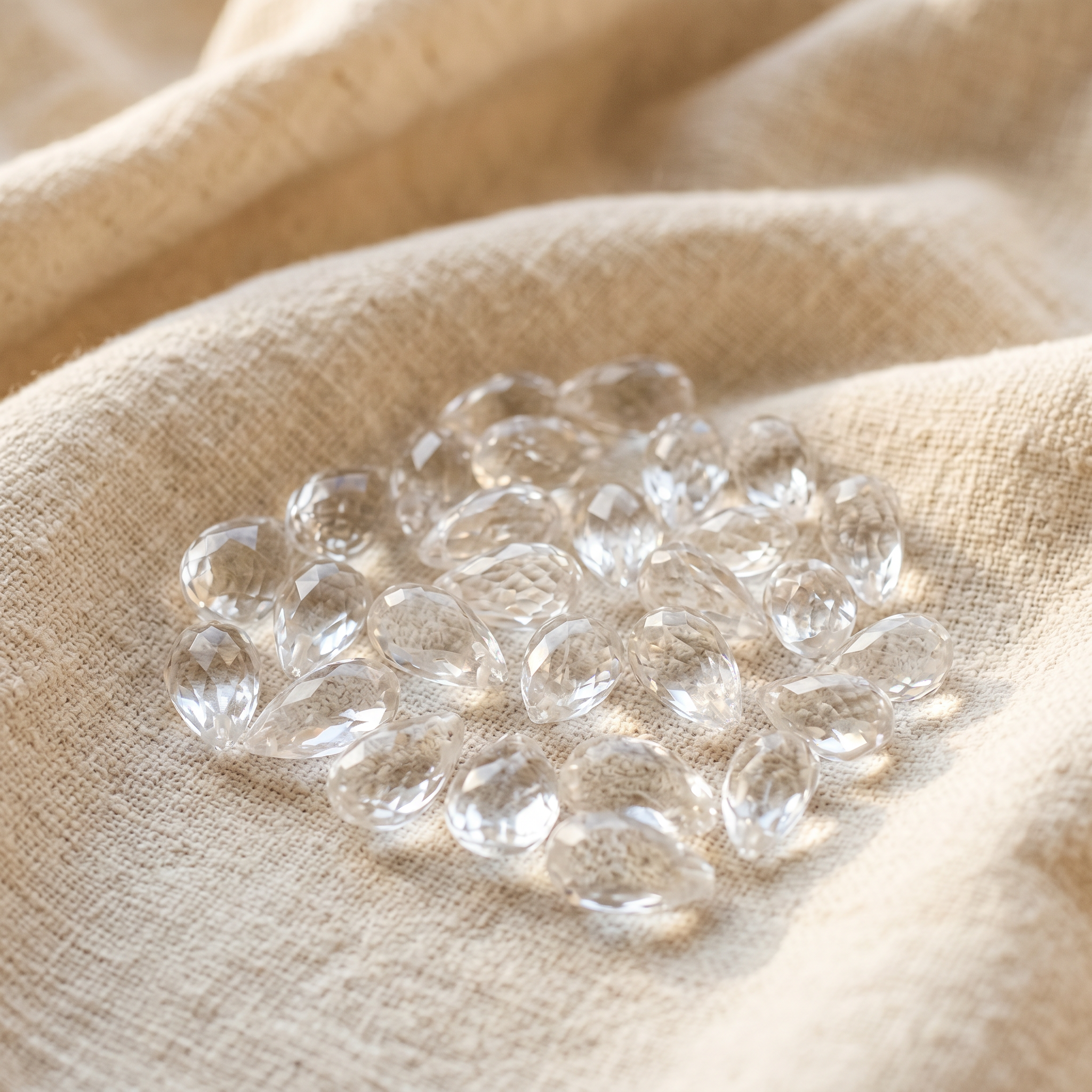
Teardrop
Pear-shaped beads, often top-drilled. Ideal for pendants, earrings, or as hanging accents in necklaces.
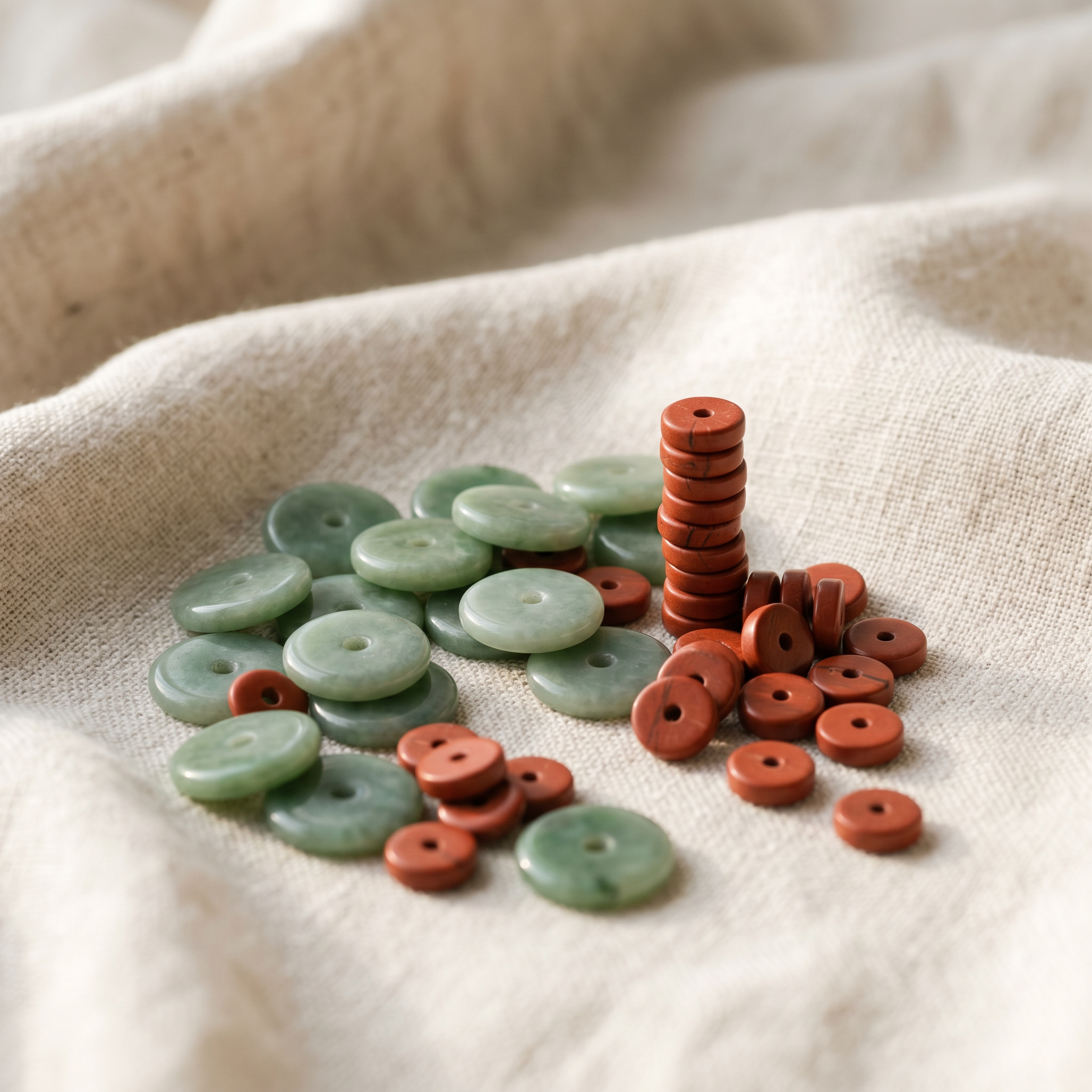
Coin / Heishi
Flat, disk-like beads that offer a modern, architectural look. Perfect for stacking or as sleek spacers.
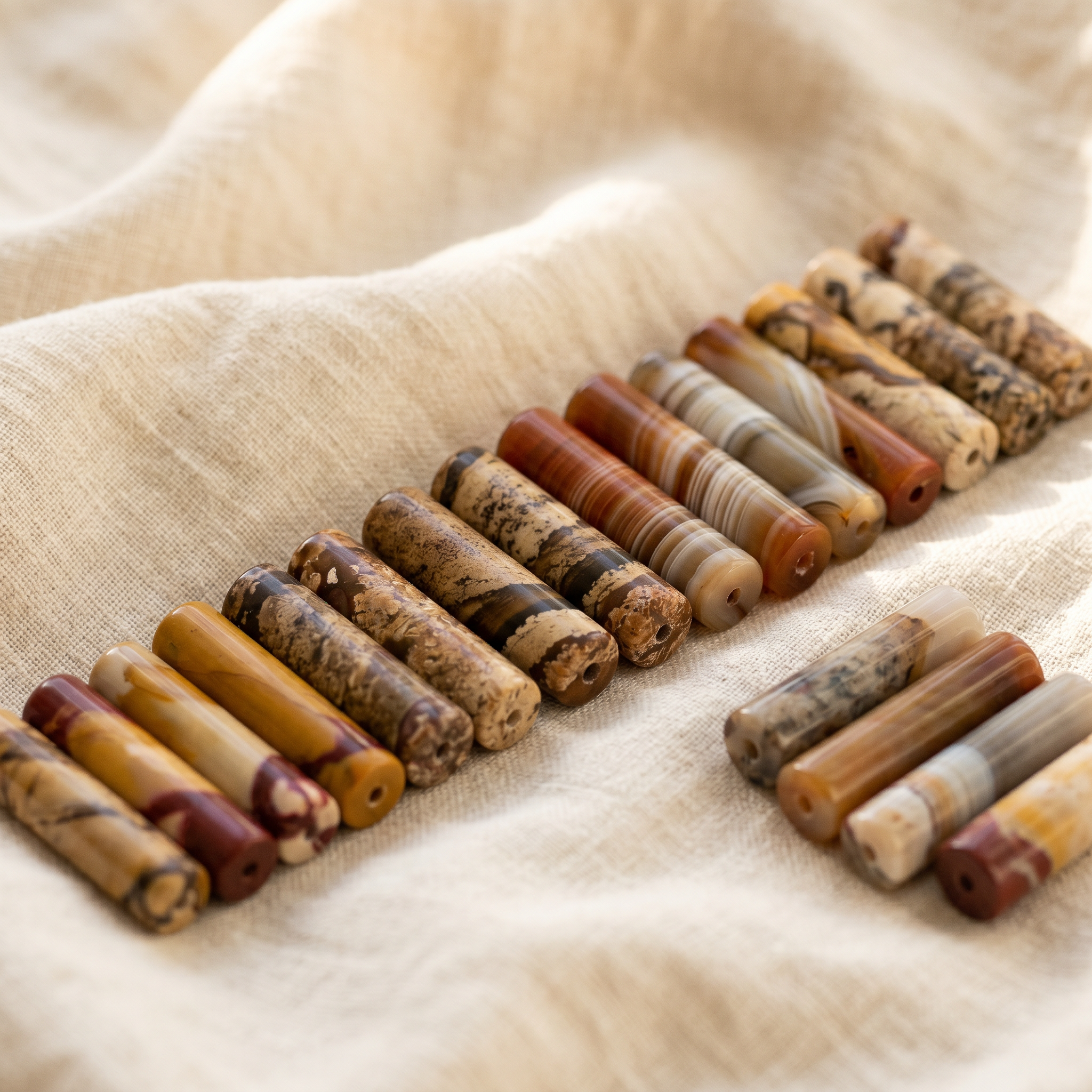
Tube
Cylindrical beads that add length and structural interest to a design. Excellent for contemporary necklaces.
Mix Textures
Combining faceted beads with smooth rounds creates visual depth and interesting light play in your designs.
Tapered Gradients
Use smaller beads near the clasp and larger ones as a central focal point for a balanced, professional drape.
Hole Compatibility
Smaller beads (2-4mm) often have finer drill holes. Always ensure your thread or wire gauge is appropriate for the stone.
